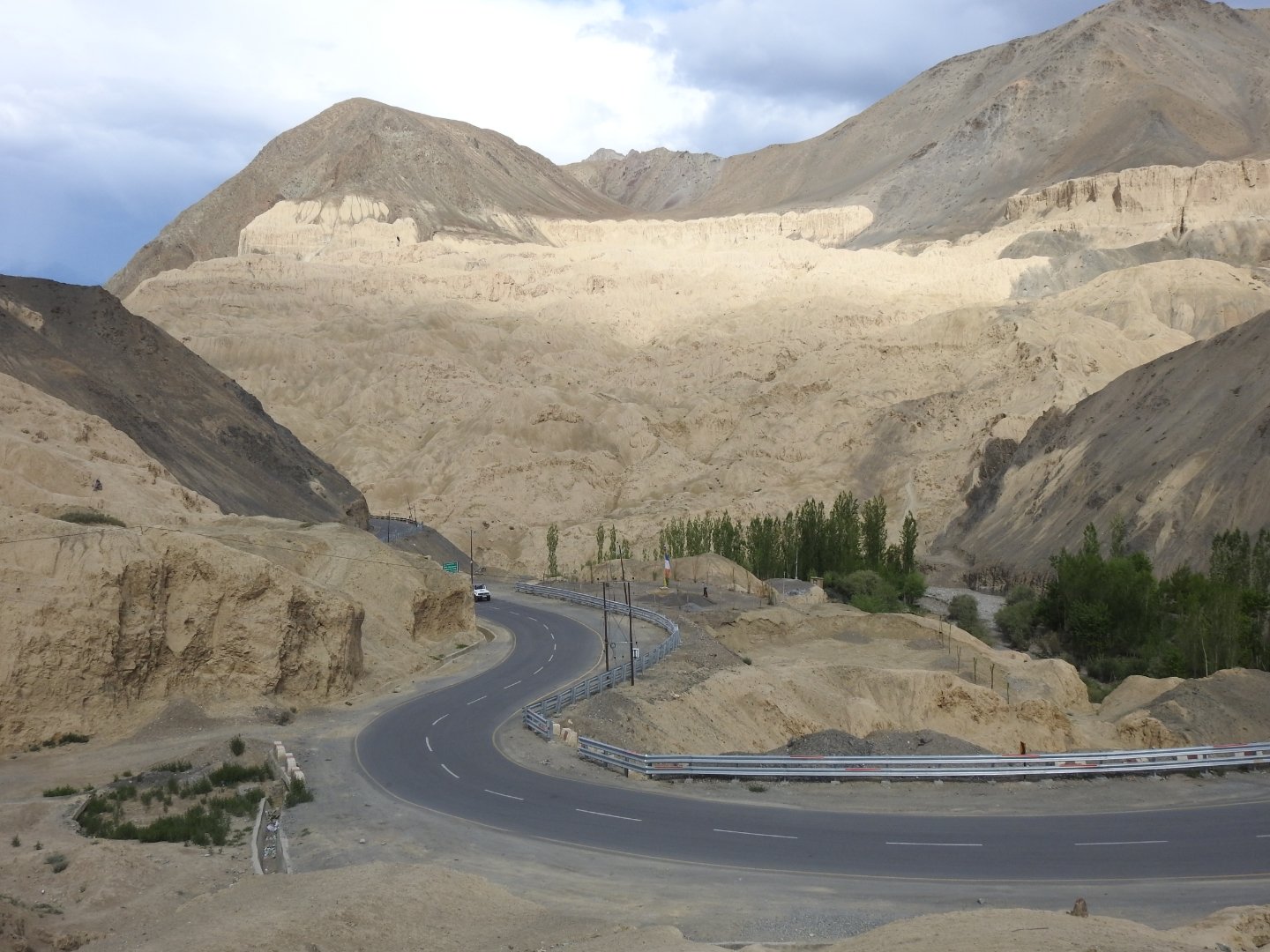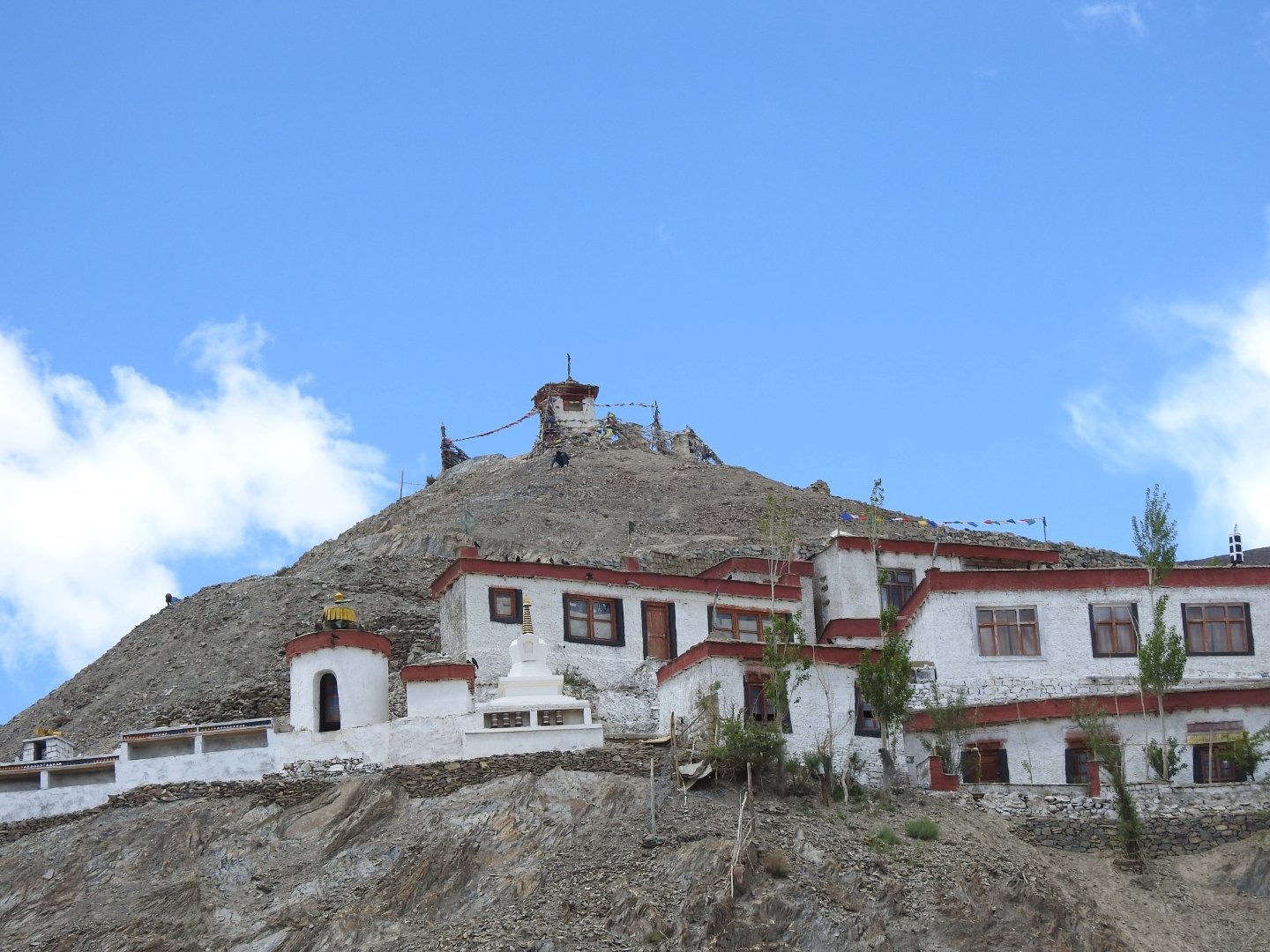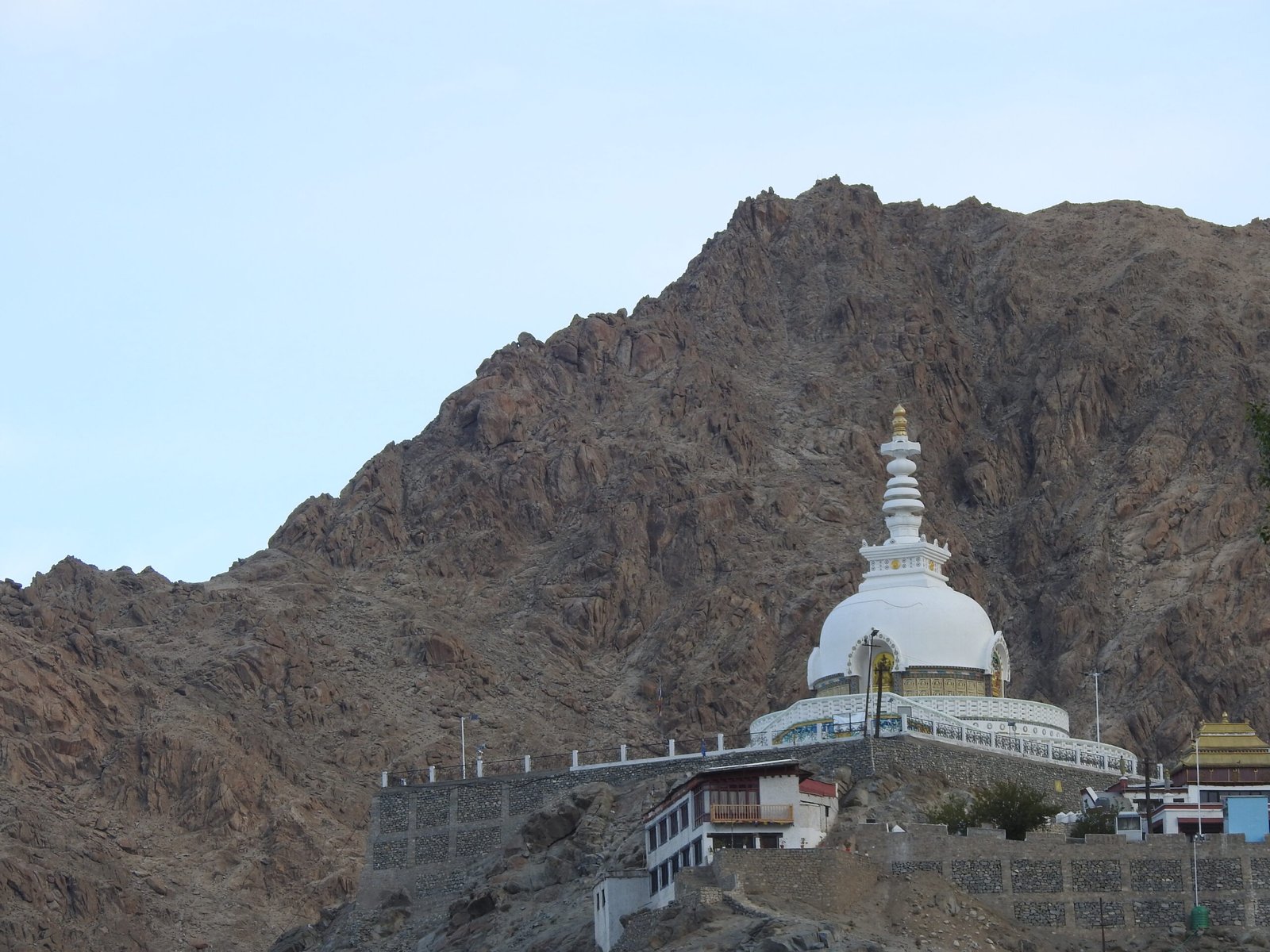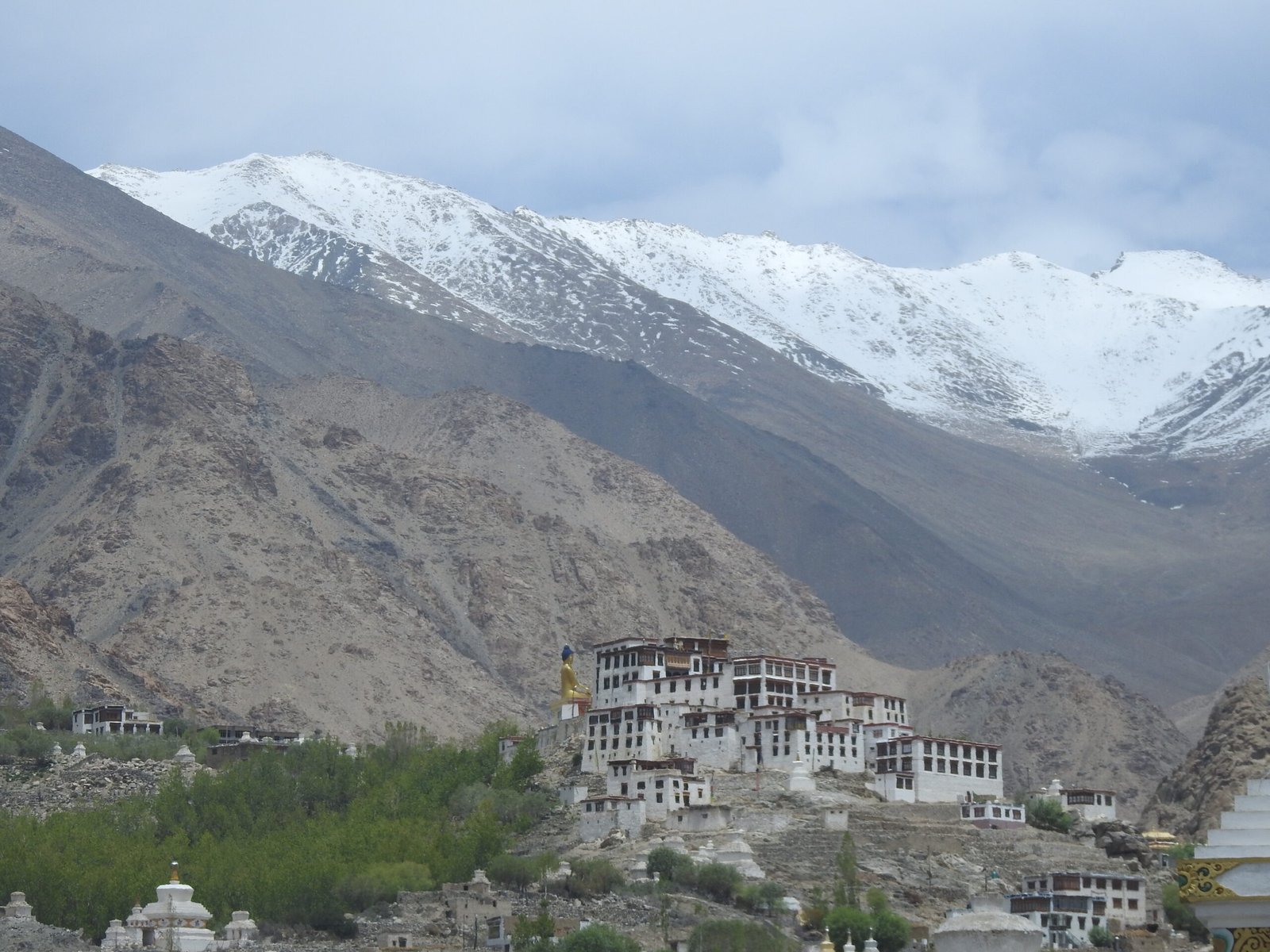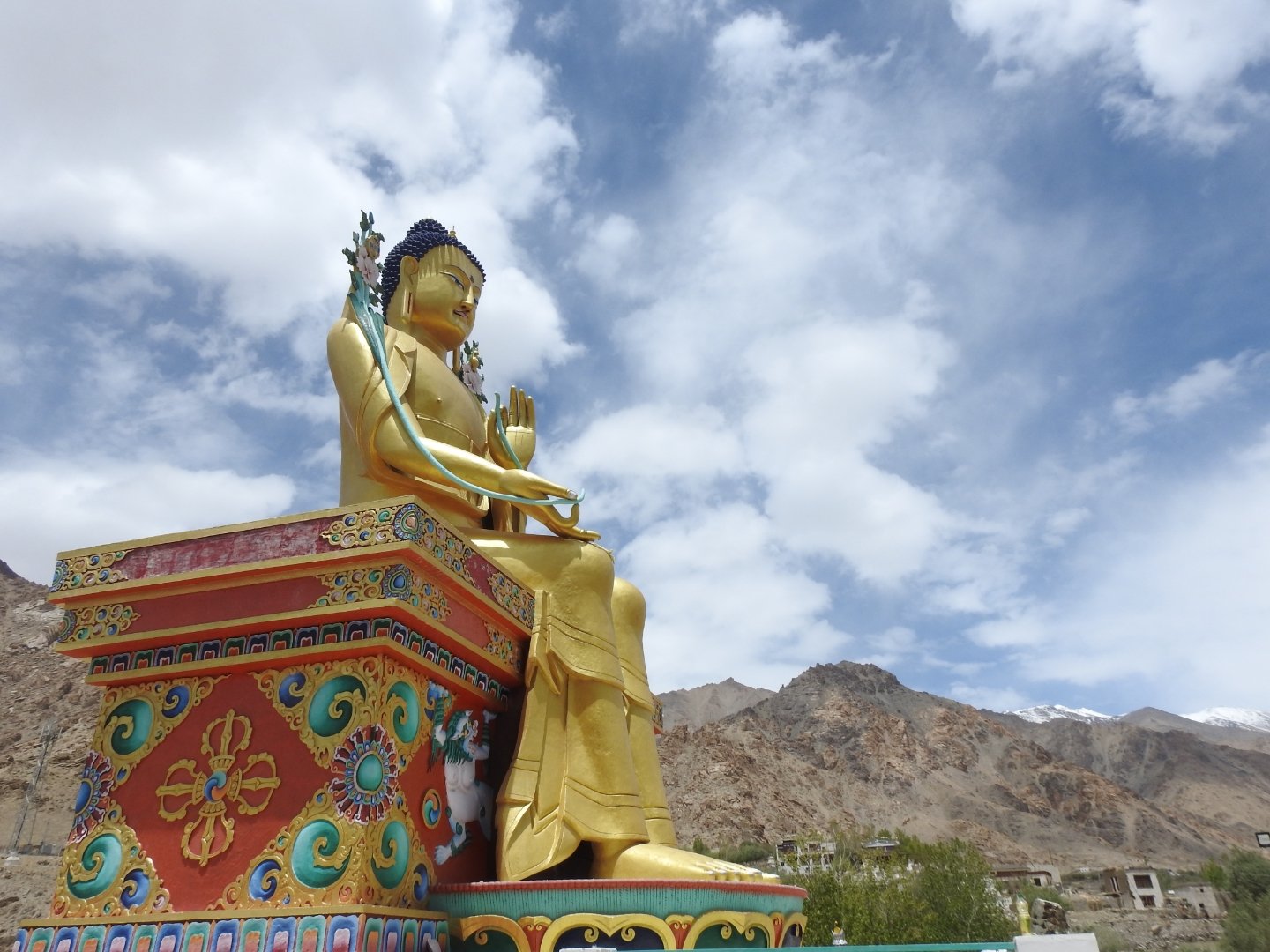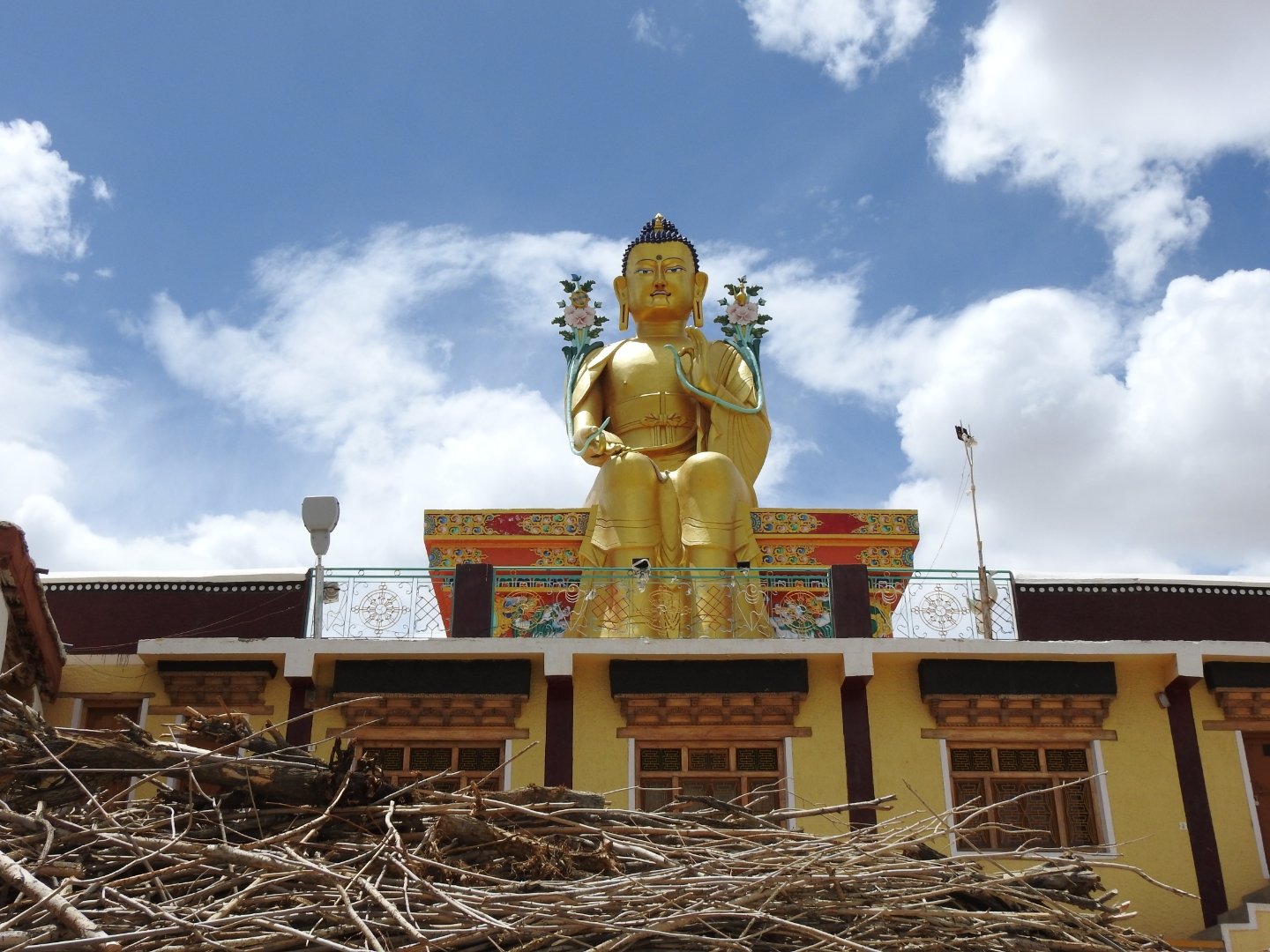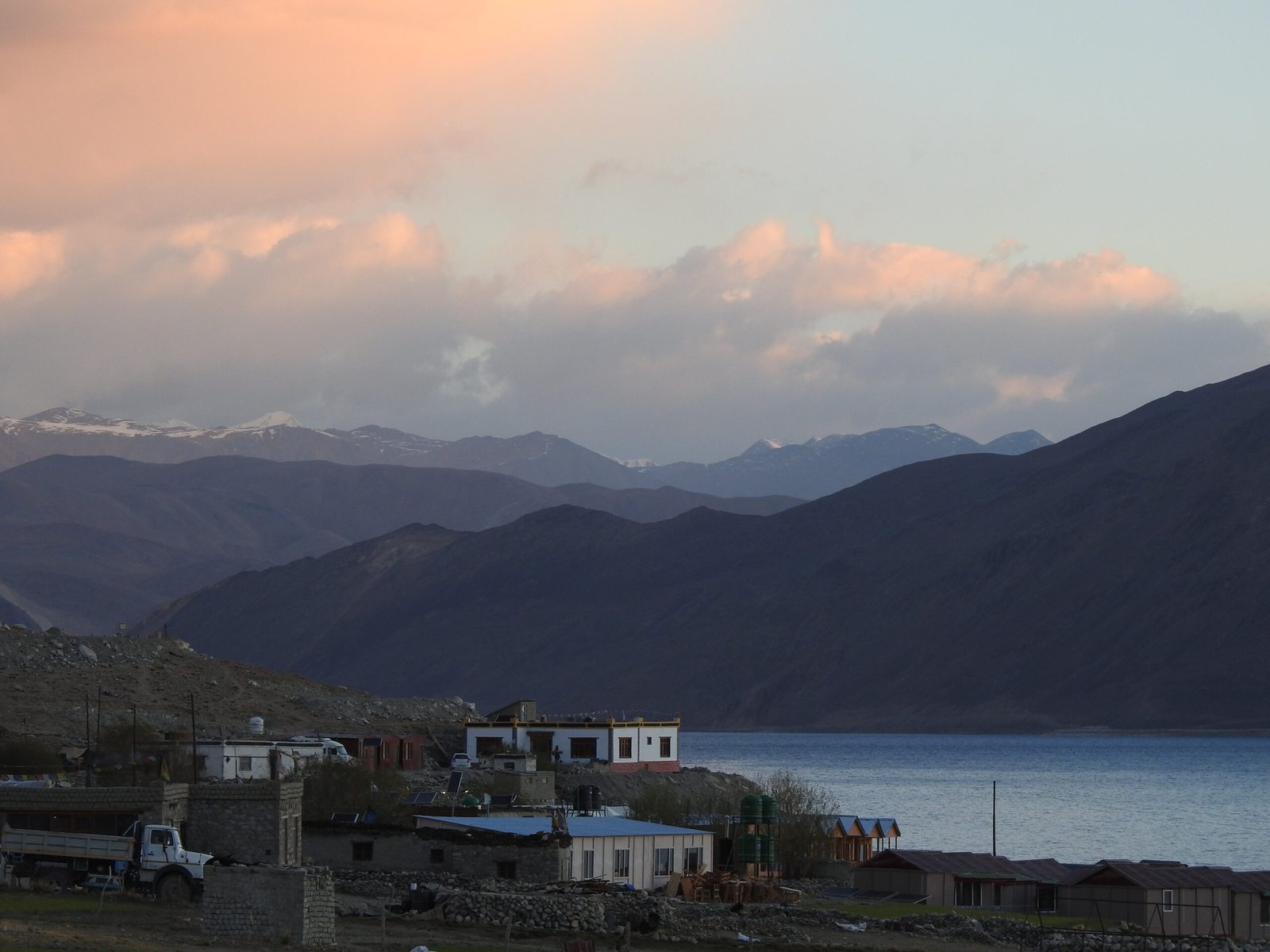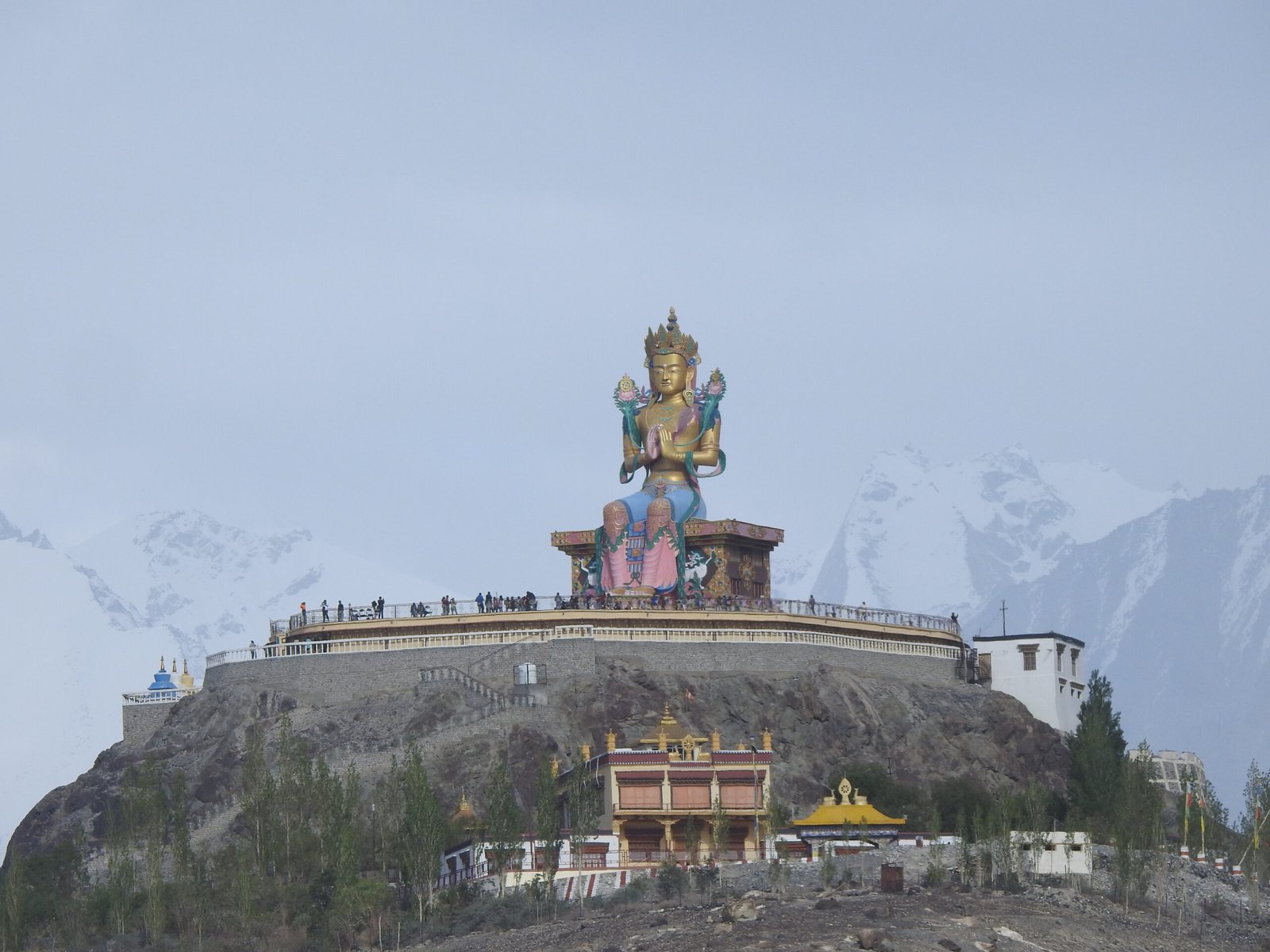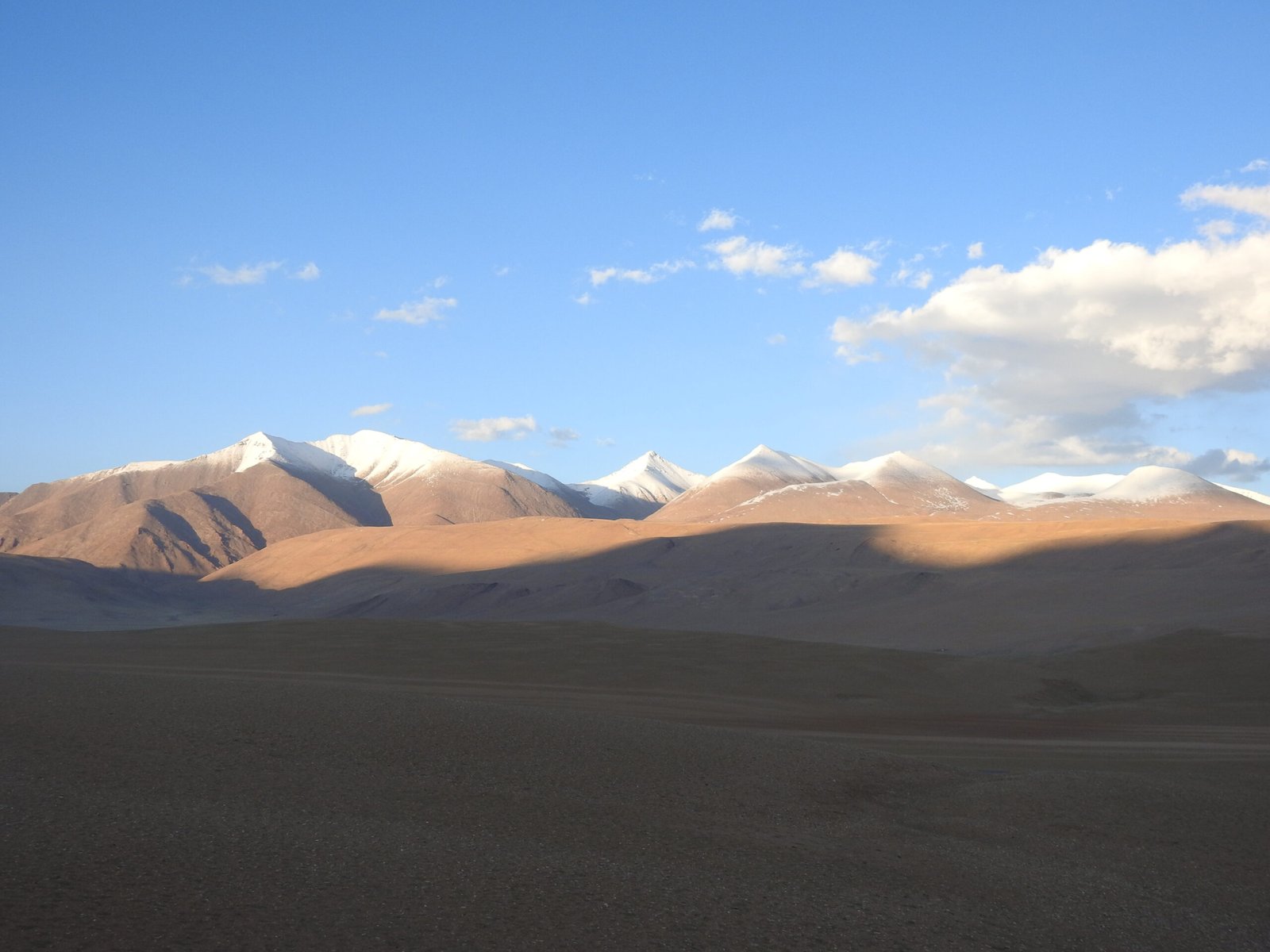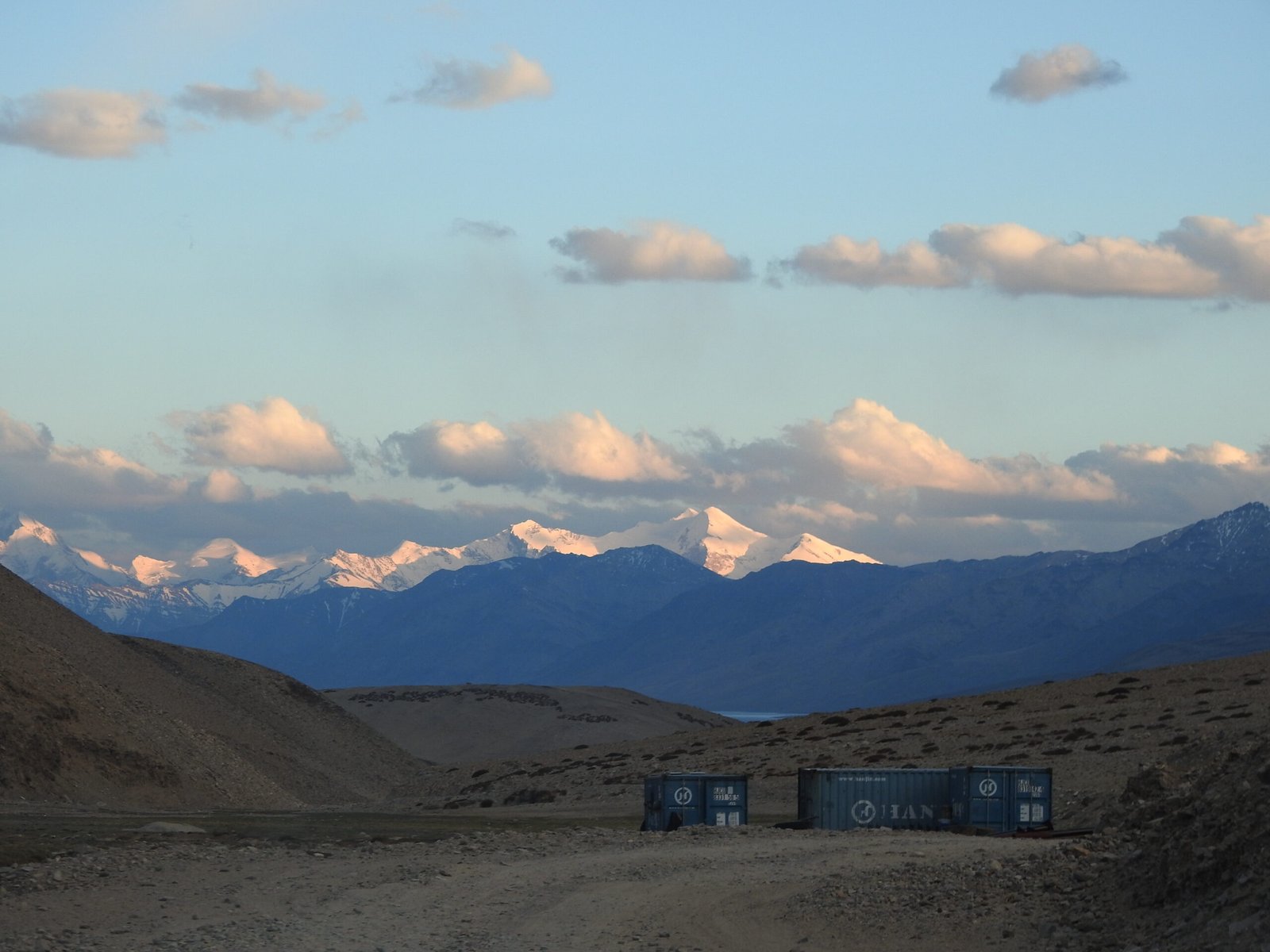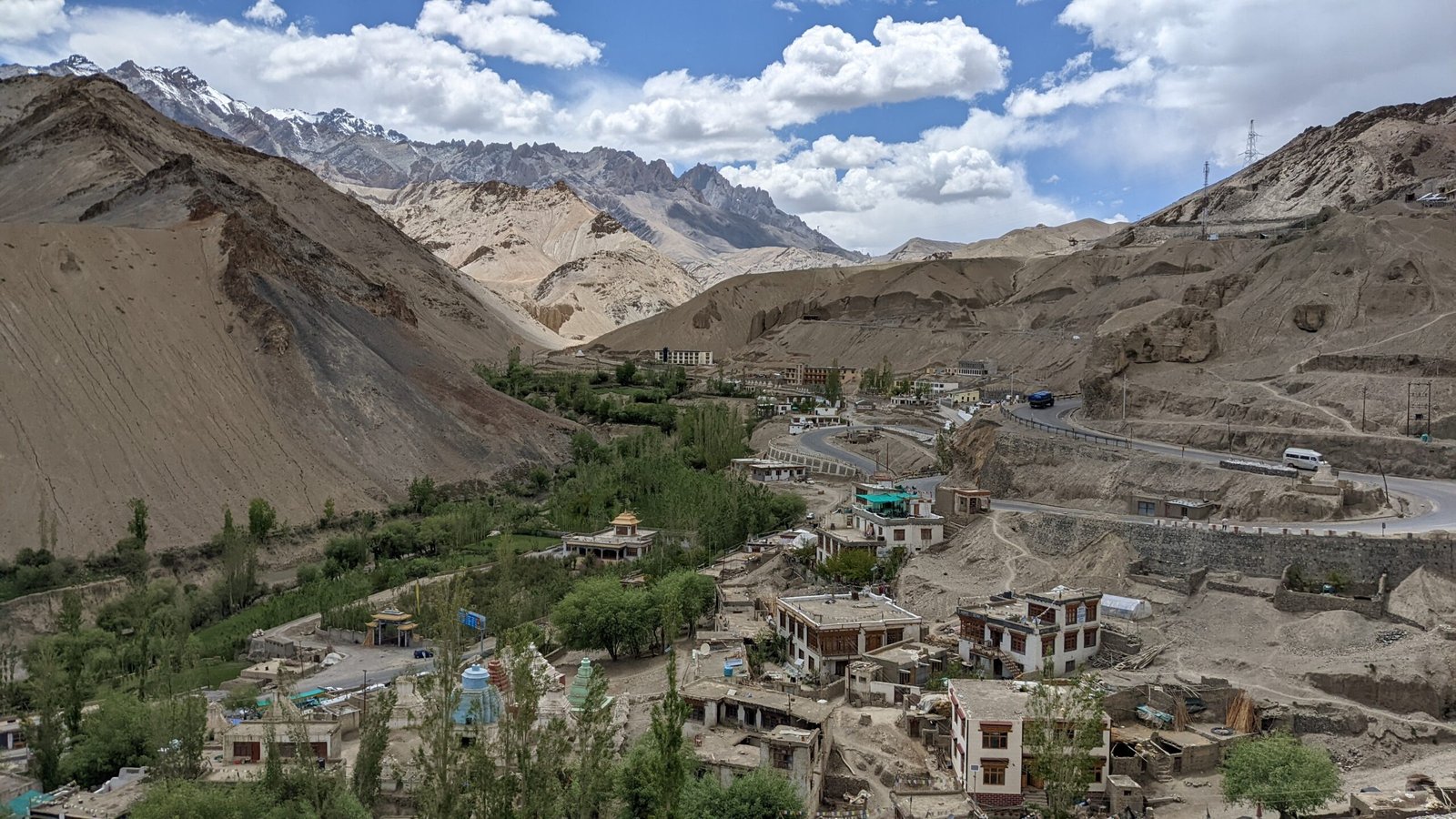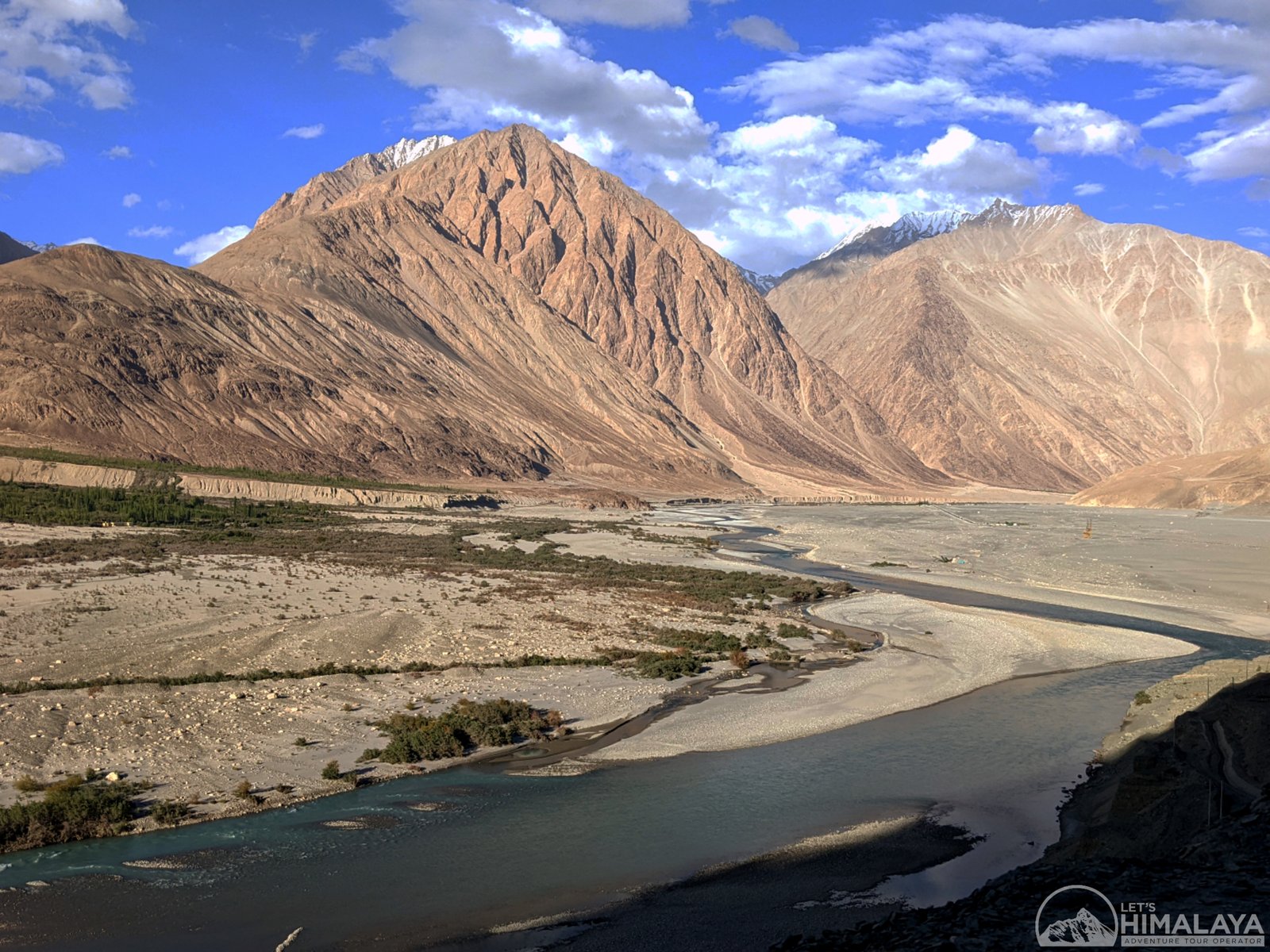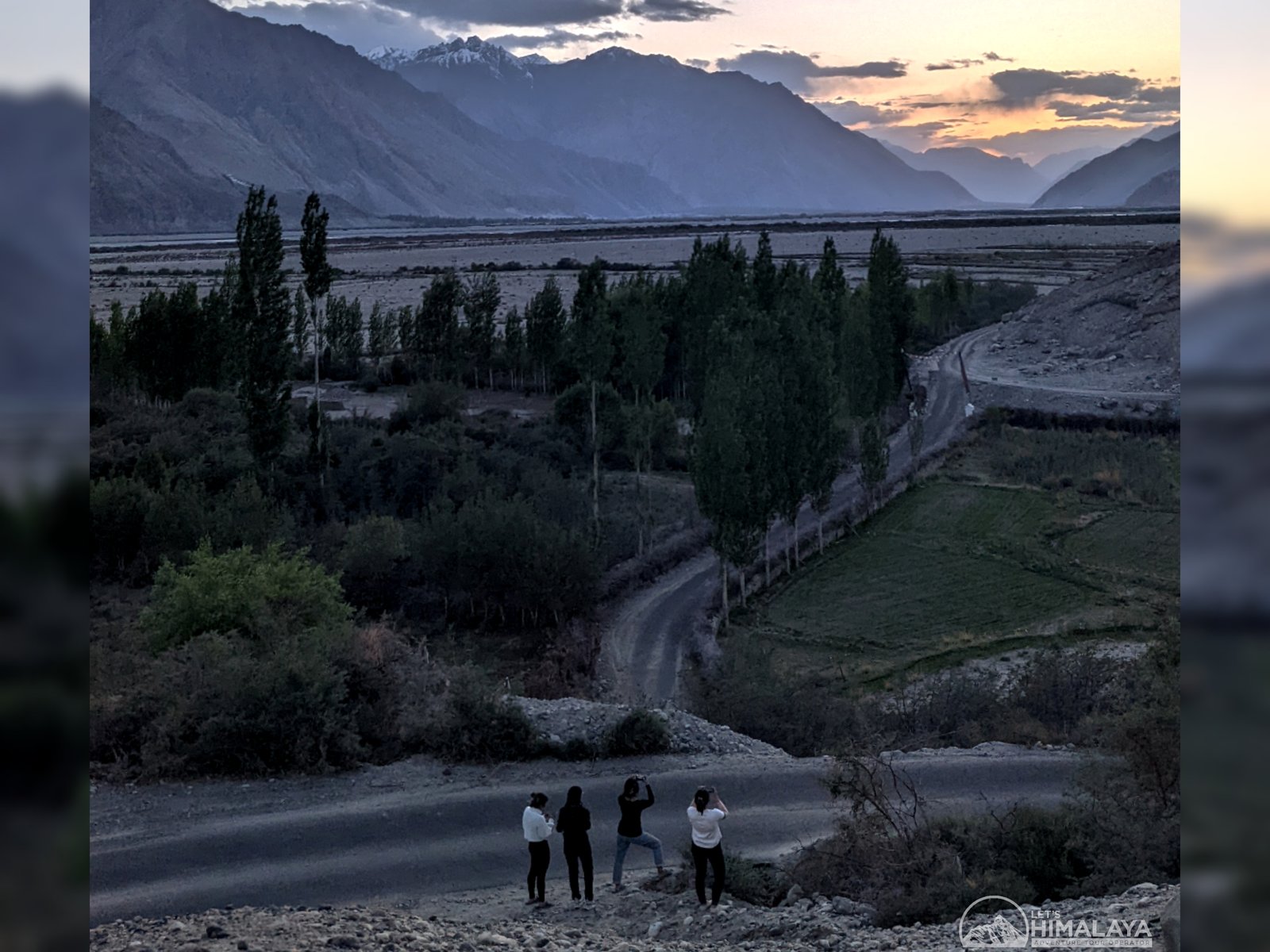


Leh Ladakh is a region in the Indian union territory of Ladakh, located in the northernmost part of India. It is divided into two districts: Leh and Kargil. Leh, the largest city and the joint capital of Ladakh, is located at an altitude of 3,524 m (11,562 ft) and is connected by National Highway 1 to Srinagar and Manali. The region is known for its scenic beauty, high-altitude mountain passes, and Buddhist monasteries. Leh was the historical capital of the Kingdom of Ladakh and the former residence of the royal family. The seat of the kingdom, Leh Palace, was built in the same style and about the same time as the Potala Palace in Tibet. The palace is a nine-story structure, with the upper floors reserved for the royal family and the lower floors used for storage and stables. The palace is now a museum that houses a collection of royal artifacts and Buddhist art. The region is also home to several Buddhist monasteries, including the Hemis Monastery, Thiksey Monastery, and Diskit Monastery. These monasteries are known for their unique architecture, religious significance, and scenic locations. The Hemis Monastery is the largest and wealthiest monastery in Ladakh and is famous for its annual Hemis Festival. The Thiksey Monastery is a twelve-story complex that houses several temples, stupas, and statues. The Diskit Monastery is located in the Nubra Valley and is known for its 32-meter statue of Maitreya Buddha. The region is also known for its high-altitude mountain passes, including the Khardung La Pass, Chang La Pass, and Zojila Pass. These passes are popular among adventure enthusiasts and offer breathtaking views of the surrounding mountains and valleys.